
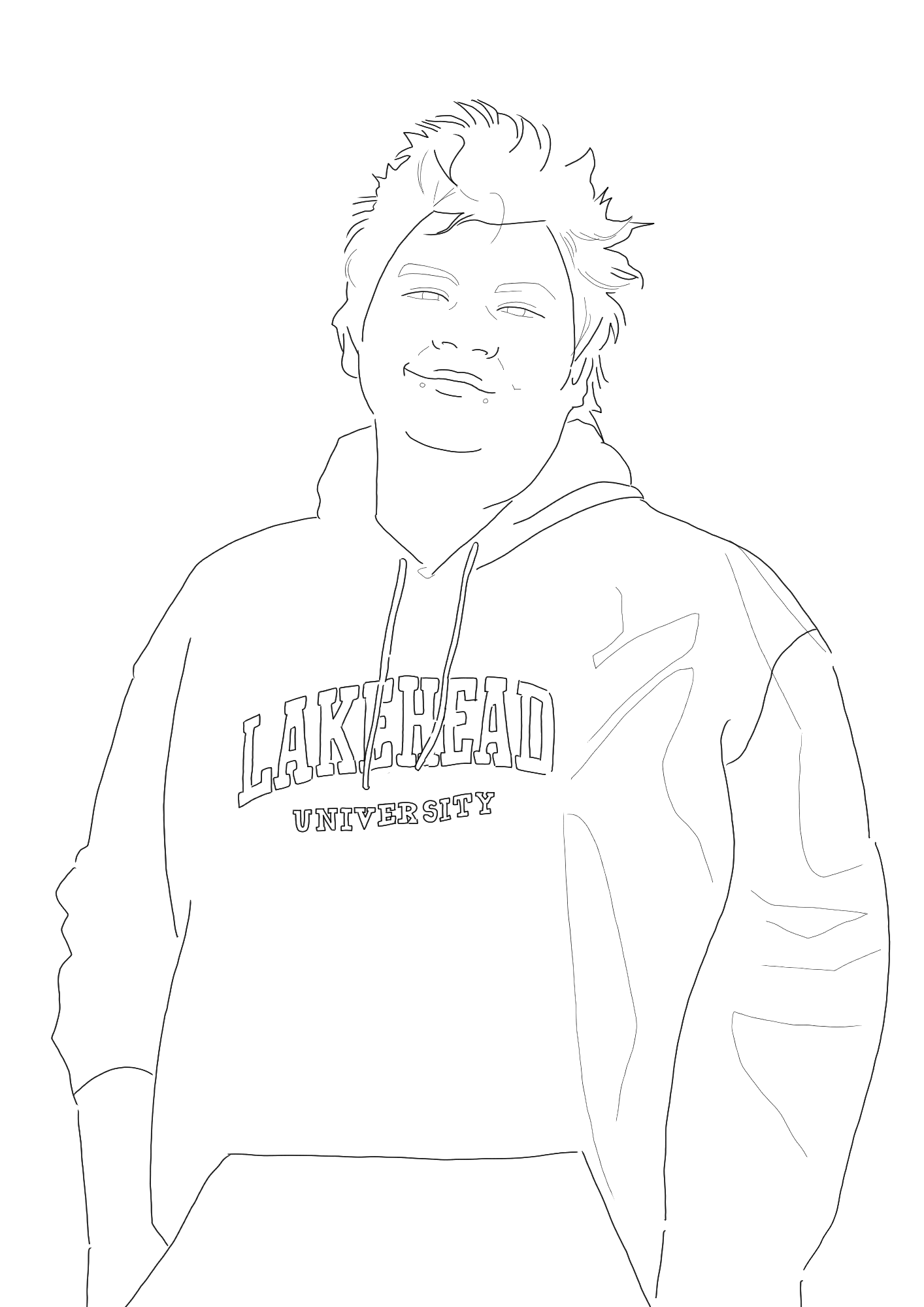
This interview contains descriptions of family separation, financial hardship, and systemic barriers faced by Indigenous youth in care.
This interview with Malakai, a 20-year-old Indigenous youth from Sandy Lake First Nation, captures his experience navigating the Canadian child welfare system after having to sign himself into care at 16 voluntarily. The central themes are systemic neglect, self-reliance, and resilience. Malakai describes receiving little support from workers, having to fight for back pay, and building his own path through education despite significant barriers. The interview serves as both a personal testimony and a call to action for better-resourced, Indigenous-led support systems for youth aging out of care.
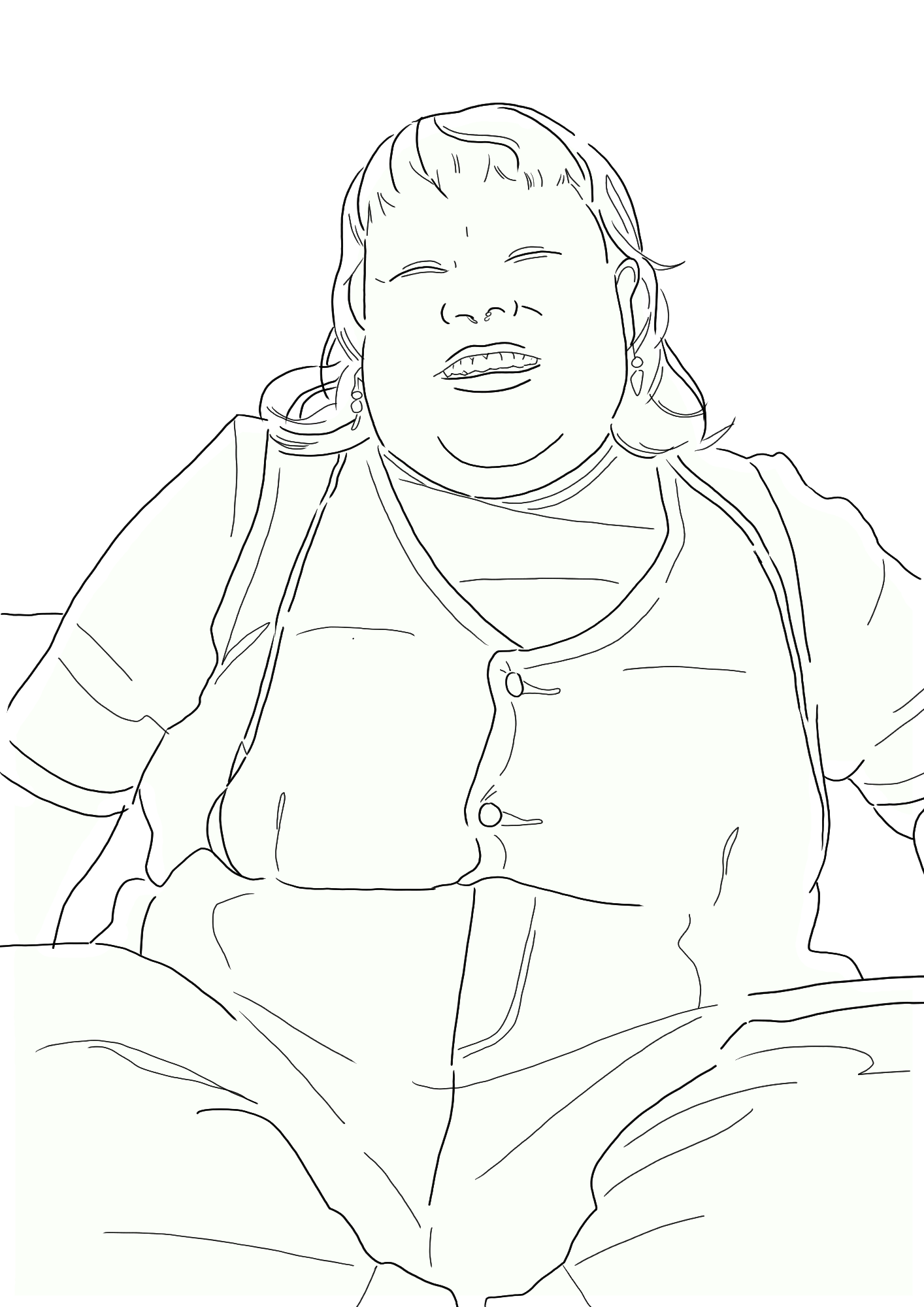
This interview contains descriptions of emotional neglect, homophobia, housing instability, and the impacts of identity-based rejection by a foster family.
This interview with Belmo, a 32-year-old from Sandy Lake who spent nearly their entire childhood in care. They speak on their experience with abandonment, self-worth, and the long road to claiming an identity. Their educational career was rocky, and they had to start from scratch after their homeschooling was invalidated by their previous foster family. Rather than letting their experience break them, these experiences slowly shaped a person who built their own support systems, found cultural reconnection through hide tanning, returned to finish high school in their 30s, and now works at ENAGB Indigenous Youth Agency while preparing to study social work.
This interview contains descriptions of childhood abuse, neglect, food insecurity, depression, and references to self-harm and hospitalization.
This interview features a 19-year-old from Fort Severn who spent approximately 13 years in foster care after being removed from an abusive, poverty-stricken home at around age four. The central themes are instability, broken trust, and the long shadow that early abandonment casts over a young person's sense of self and future. They describe the failed foster care system, not as a singular event but as a list of neglect, where repeated displacement, inadequate vetting of placements, and a lack of cultural grounding left little room for stability. Despite it all, they offer thoughtful advice to youth still in care, emphasizing that healing takes time, that asking for help is okay, and that their past does not define their future.

This interview contains descriptions of prolonged abuse in foster care, childhood trauma, inadequate mental health treatment, and systemic neglect of Indigenous youth.
This interview is with Kris Moore, a 21-year-old from Fort Severn First Nation who has spent 16 years in care. The gaps in care resulted in neglect and invisibility. The through line is a young person who learned to be fiercely self-reliant out of necessity, not choice, navigating school disruptions, financial illiteracy, and cultural disconnection largely alone, with a younger sister as the most consistent source of stability. Despite it all, Kris is pursuing academic upgrading and speaks with clarity and grace about what the system owes young people, closing with a reminder to youth in care not to compare their path to those who had the support they deserved.
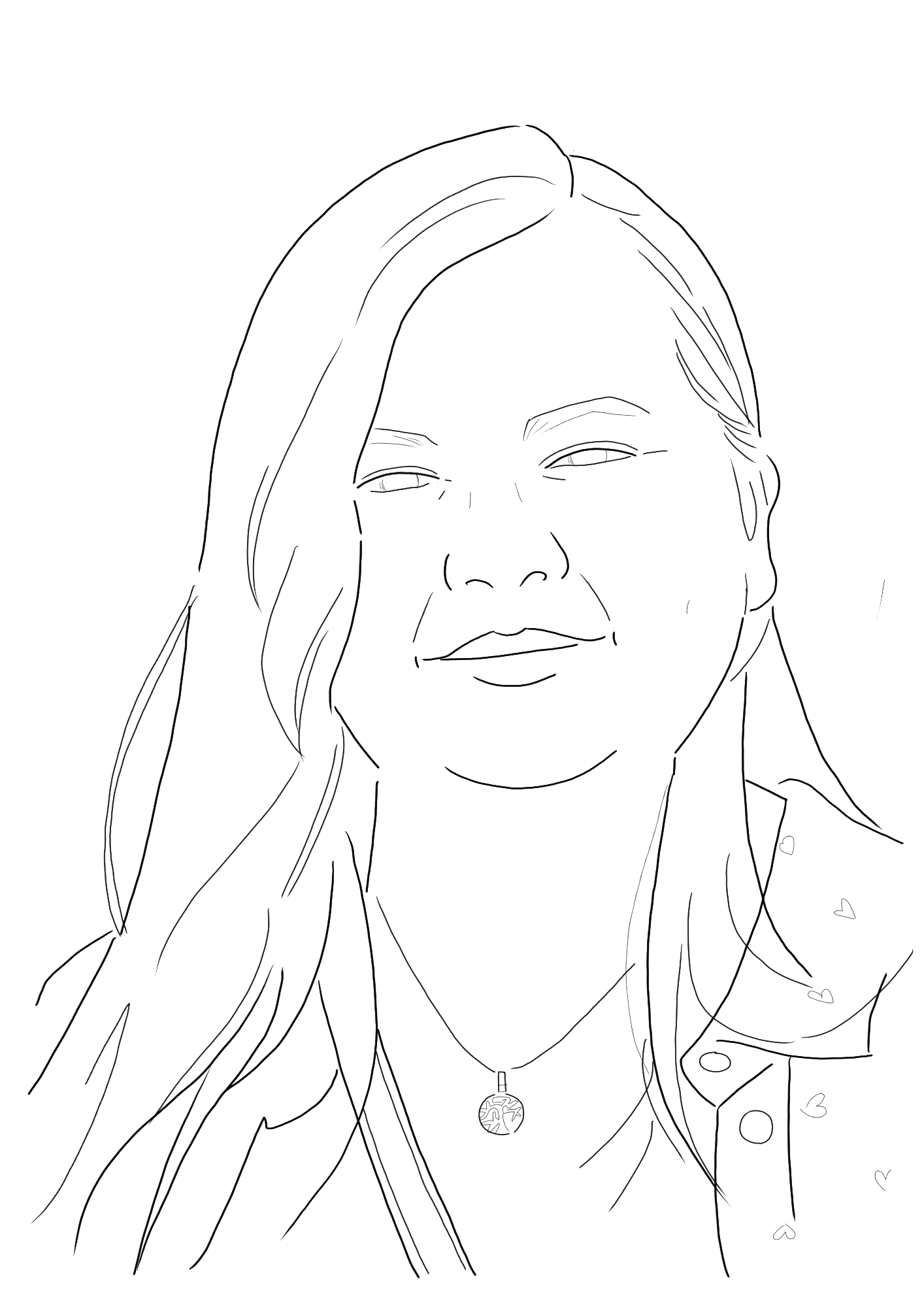
This interview contains descriptions of physical and emotional abuse in foster care, cultural dispossession, suicidal ideation, and discussions of racism and colonization.
This interview is with Bethany Koostachin, a 26-year-old from Fort Severn First Nation. After ten years in care, she describes her struggles with cultural dispossession, institutional failure, and the work of reclaiming identity. The system met her basic physical needs while severing her connection to her Anishinaabe culture and community. The most meaningful support she received came not from the agency but from individual workers, art, and eventually her own people outside the system. She pushes back sharply against the resilience narrative that praises survivors for enduring harm rather than demanding the harm stop and closes by urging her younger self to trust her ancestors, reframing survival not as a personal achievement but as something carried collectively across generations.